Insights
> Product & Feature Insights
One Platform, Many Commodities: Choosing a Modern And Flexible CTRM
Sep
2026
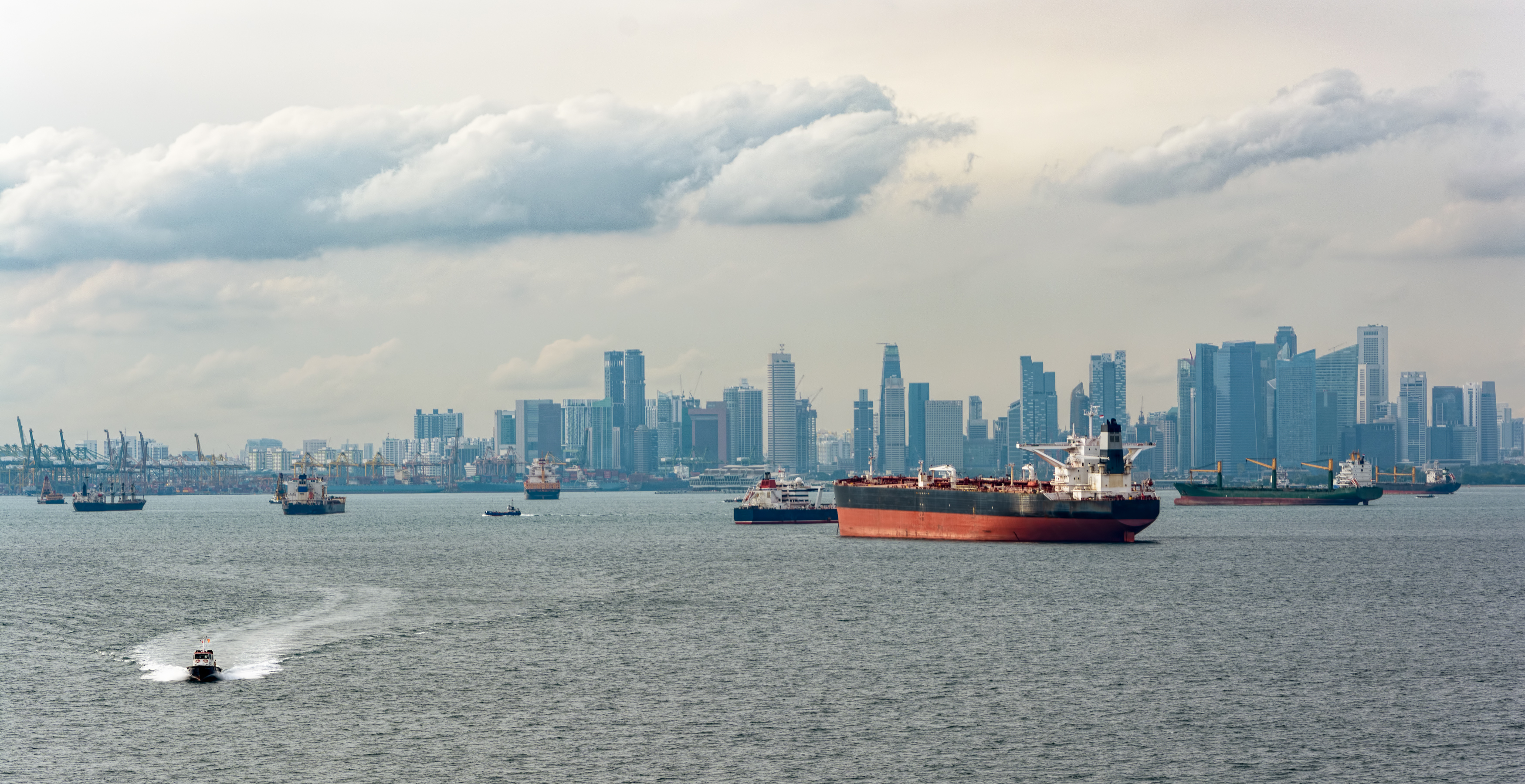
Although the underlying principles of commodities trading remain consistent, each commodity introduces its own nuances.
Crude oil is commonly traded by volume in barrels. Refined products and petrochemicals are typically traded by mass in metric tonnes. Liquefied Natural Gas (LNG), on the other hand, is primarily traded by energy content in MMBtu. Metals, agriculture and power markets each introduce their unique commercial, pricing and operational complexities.
These differences have led many to believe that implementing a CTRM/ETRM system for different commodities must involve extensive custom development and lengthy timelines.
But it does not have to be that way – not with CoreTRM.
One Platform for a Diversifying Business
From our flexible data model to API-first architecture, CoreTRM was intentionally built with the foundation to accommodate the distinct requirements of different commodities from day one.
As businesses diversify into new markets, CoreTRM enables organisations to manage multiple commodities within a single unified platform.
Rather than implementing separate systems each time the business grows, organisations can build on a modern platform designed to scale with them. Traders can also venture into new commodities whenever opportunities arise, without being held back by systems that cannot adequately support their evolving trading activities.
And we have the evidence to prove it.
Successful LNG Implementation in Six Weeks
At CoreTRM, we recently completed the implementation of our platform for an LNG trading client in just six weeks, utilising only three people from our team.
LNG is one of the more operationally sophisticated commodities, with unique units of measure, pricing structures and commercial processes. Successfully implementing a CTRM platform within such a timeframe demonstrates that modern technology and an experienced implementation approach can significantly reduce implementation risk without compromising on functionality.
While the timeline itself is noteworthy, the more important takeaway is what it represents.
Just like how we can support the complexities of LNG trading, the same architectural foundation can be applied across any other commodities, including crude oil, petrochemicals, metals and beyond.
Successful Metals Implementation under Three Months
The LNG implementation was not an isolated example. Before 2024, our client base was mainly focused on oil.
Metals trading, meanwhile, comes with its own unique complexities, in particular LME pricing, and is notably different from many other commodities.
Despite this, we successfully configured and customised our platform to support the client’s metals physical and derivative trading operations in three months, with a team of just three consultants.
Today, the platform is actively used by the client for metals trading, with its robust functionality fully intact. The speed of implementation did not come at the expense of capability, flexibility, or performance.
Setting the New Standard
With a modern architecture, CoreTRM can support diverse commodities, reduce implementation risk and accelerate time to value without sacrificing on functionality.
Faster implementations, greater flexibility and a platform capable of supporting multiple commodities are no longer aspirations. They are the standard for CoreTRM.
Book a demo today to learn how CoreTRM can support your organisation’s trading and risk management.
Related Articles

Browse More
- One Platform, Many Commodities: Choosing a Modern And Flexible CTRM
- CoreTRM Feature Deep Dive: Smarter Inventory Valuation
- Experience the Future of Metals Trading with CoreTRM’s CTRM for Metals
- CoreTRM’s Approach to Low-Risk and Efficient CTRM Implementations
- Risk Management in Commodity Trading: CoreTRM's Feature Breakdown
- CoreTRM at a Glance
- Why choose CoreTRM?
- Risk Management Features in CoreTRM
- Dynamic Forward Curves